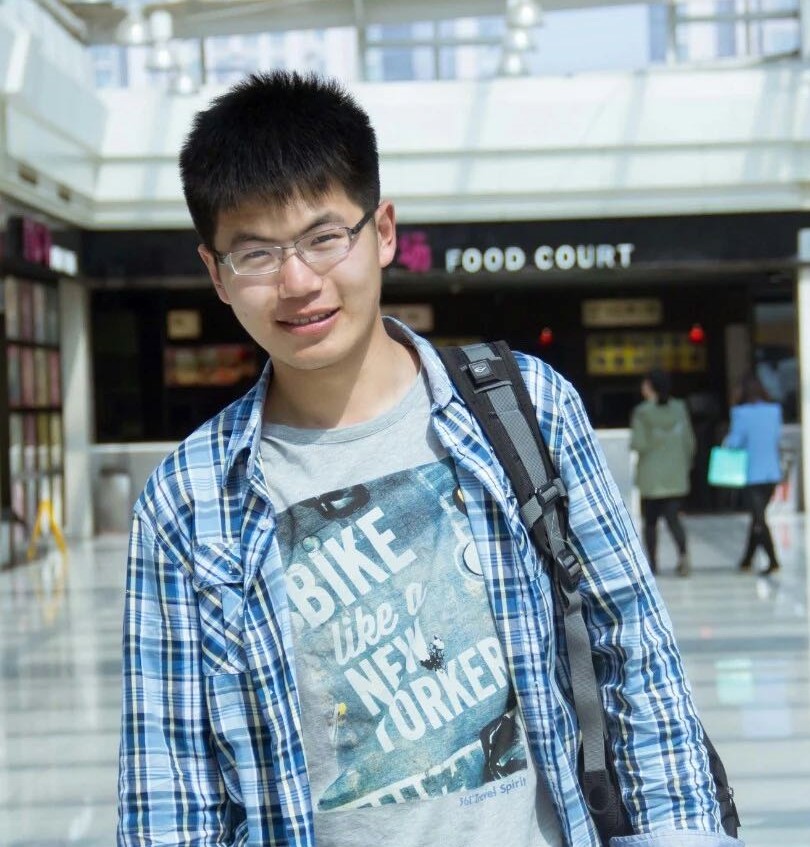
Hi, I'm Guoyang Liu. I received my Ph.D. degree in school of Microelectronics, Shandong University, China, in 2022 (2017-2019 for a M.S. degree, Supervisor: Prof. Weidong Zhou; 2019-2022 for a Ph.D. degree, Supervisors: Prof. Lan Tian and Prof. Weidong Zhou). In 2022-2023, I worked as a Post-Doctoral Fellow in Department of Psychology, University of Hong Kong, Hong Kong (Supervisor: Prof. Janet H. Hsiao). I am currently an Assistant Research Fellow in school of Microelectronics, Shandong University, China. My research fields include Deep Learning, eXplainable Artificial Intelligence (XAI), EEG Analysis, Brain-Computer Interface (BCI), Seizure Detection, Iris Recognition, FPGA-based Deep Learning Hardware Accelerator Design, Eye Movement Analysis and Cognitive Science. Currently, I'm serving on the Early Career Editorial Board of journal Brain-X.
Email: gyliu@sdu.edu.cn; virter1995@outlook.com
School of Microelectronics
Shandong University
1500 Shunhua Road, High Tech Zone
Jinan, China

Publications
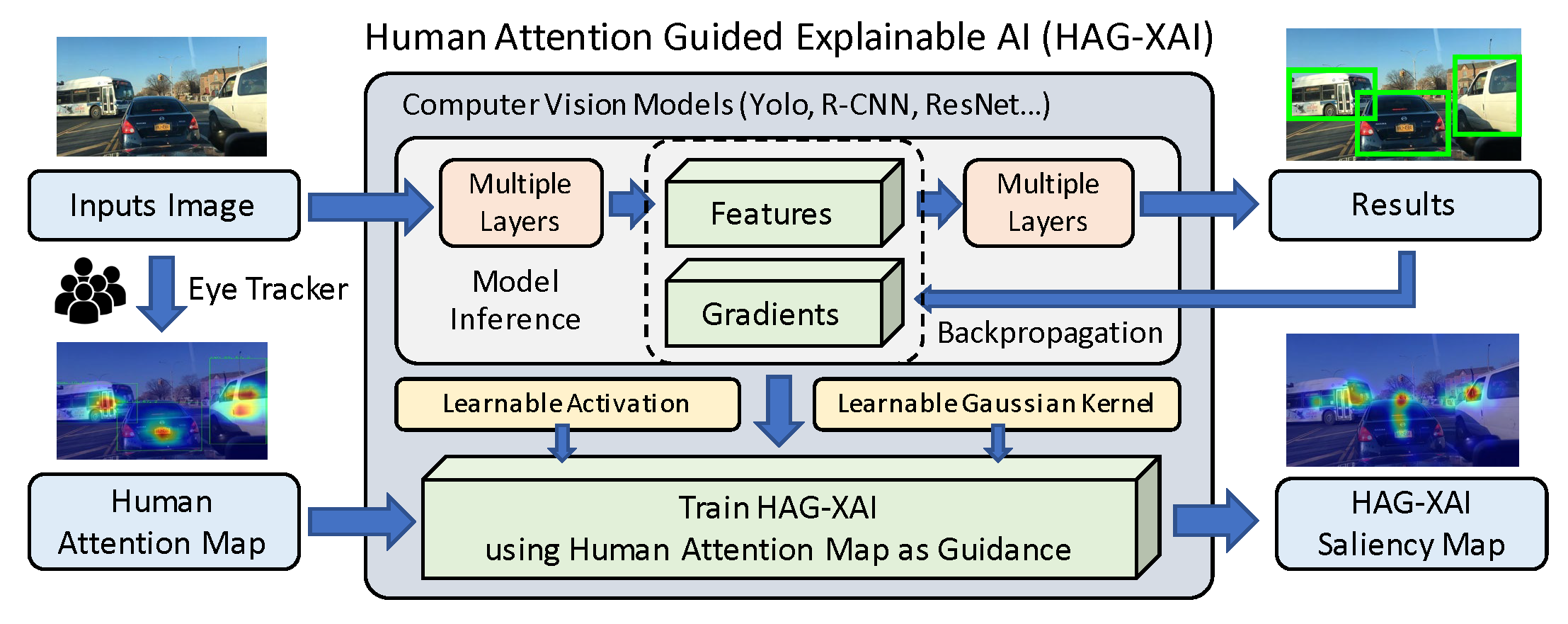
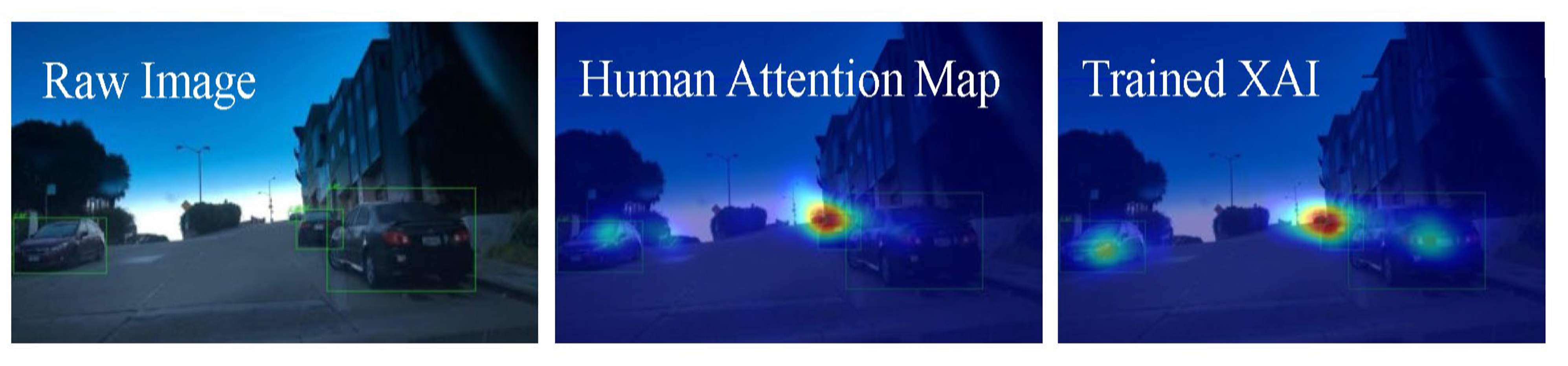
Peer-Reviewed Journal Papers- G. Liu, J. Zhang, A. Chan, J. Hsiao, "Human Attention-Guided Explainable Artificial Intelligence for Computer Vision Models," Neural Networks, 2024. (Accepted) [pdf]
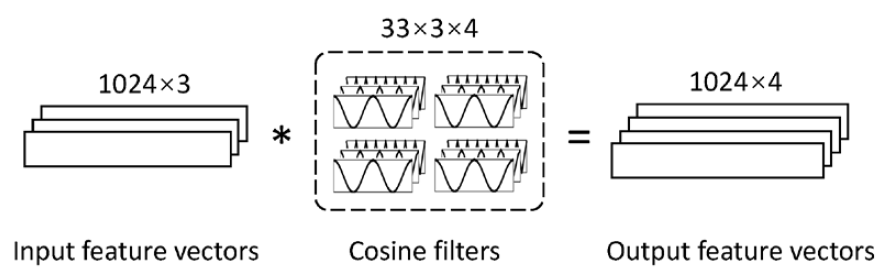
- G. Liu, L. Tian, Y. Wen, W. Yu, W. Zhou, "Cosine Convolutional Neural Network and Its Application for Seizure Detection," Neural Networks, 2024. [pdf]
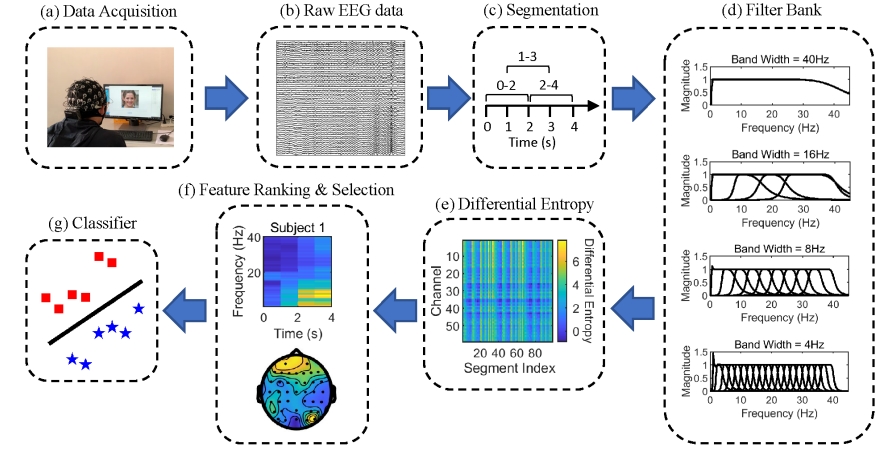
- G. Liu, Y. Wen, J. Hsiao, D. Zhang, L. Tian, and W. Zhou, "EEG-based Familiar and Unfamiliar Face Classification Using Filter-Bank Differential Entropy Features," IEEE Transactions on Human-Machine Systems, 2024. [pdf]
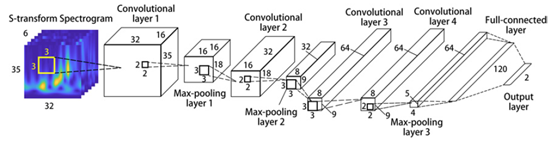
- G. Liu, W. Zhou, and M. Geng, "Automatic seizure detection based on S-Transform and deep convolutional neural network," International journal of neural systems, vol. 30, no. 04, p. 1950024, 2020. [pdf]
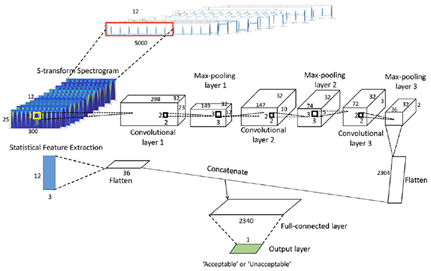
- G. Liu, X. Han, L. Tian, W. Zhou, and H. Liu, "ECG quality assessment based on hand-crafted statistics and deep-learned S-transform spectrogram features," Computer Methods and Programs in Biomedicine, vol. 208, p. 106269, 2021. [pdf]
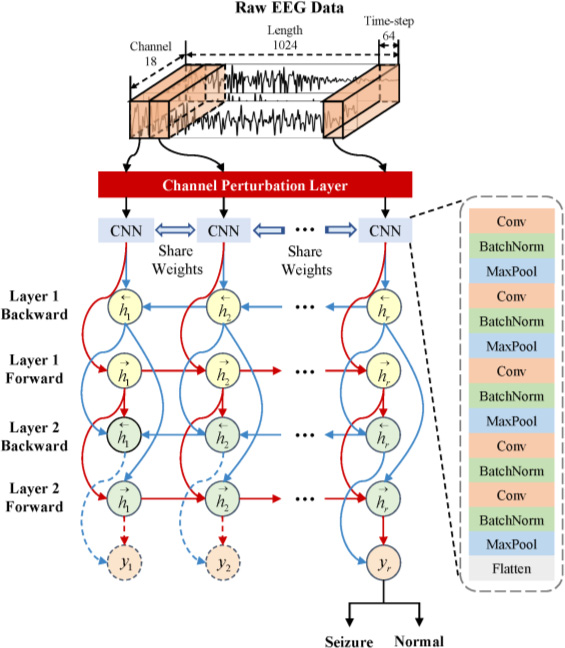
- G. Liu, L. Tian, and W. Zhou, "Patient-Independent Seizure Detection Based on Channel-Perturbation Convolutional Neural Network and Bidirectional Long Short-Term Memory," International journal of neural systems, vol. 32, no. 06, p. 2150051, 2022. [pdf]
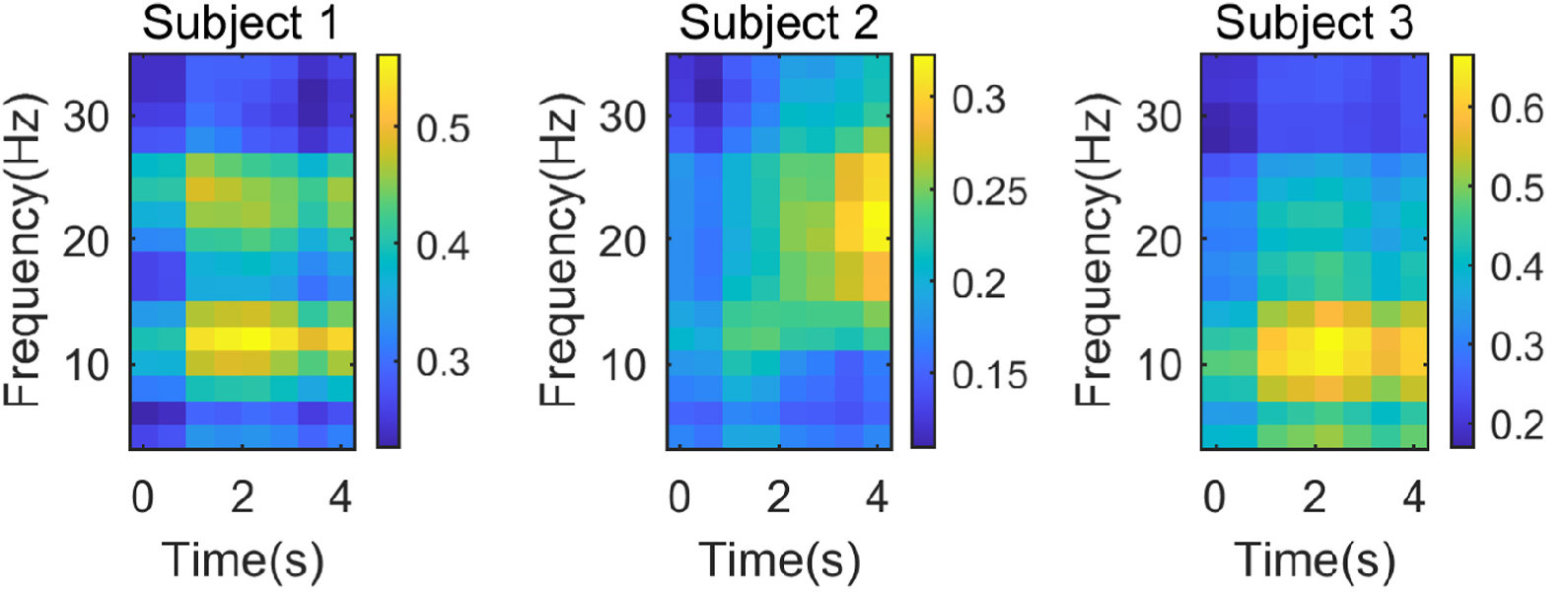
- G. Liu, L. Tian, and W. Zhou, "Multiscale Time-Frequency Method for Multiclass Motor Imagery Brain Computer Interface," Computers in Biology and Medicine, vol. 143, p. 105299, 2022. [pdf]
- G. Liu, W. Zhou, L. Tian, W. Liu, Y. Liu, and H. Xu, "An Efficient and Accurate Iris Recognition Algorithm Based on a Novel Condensed 2-ch Deep Convolutional Neural Network," Sensors, vol. 21, no. 11, p. 3721, 2021. [pdf]

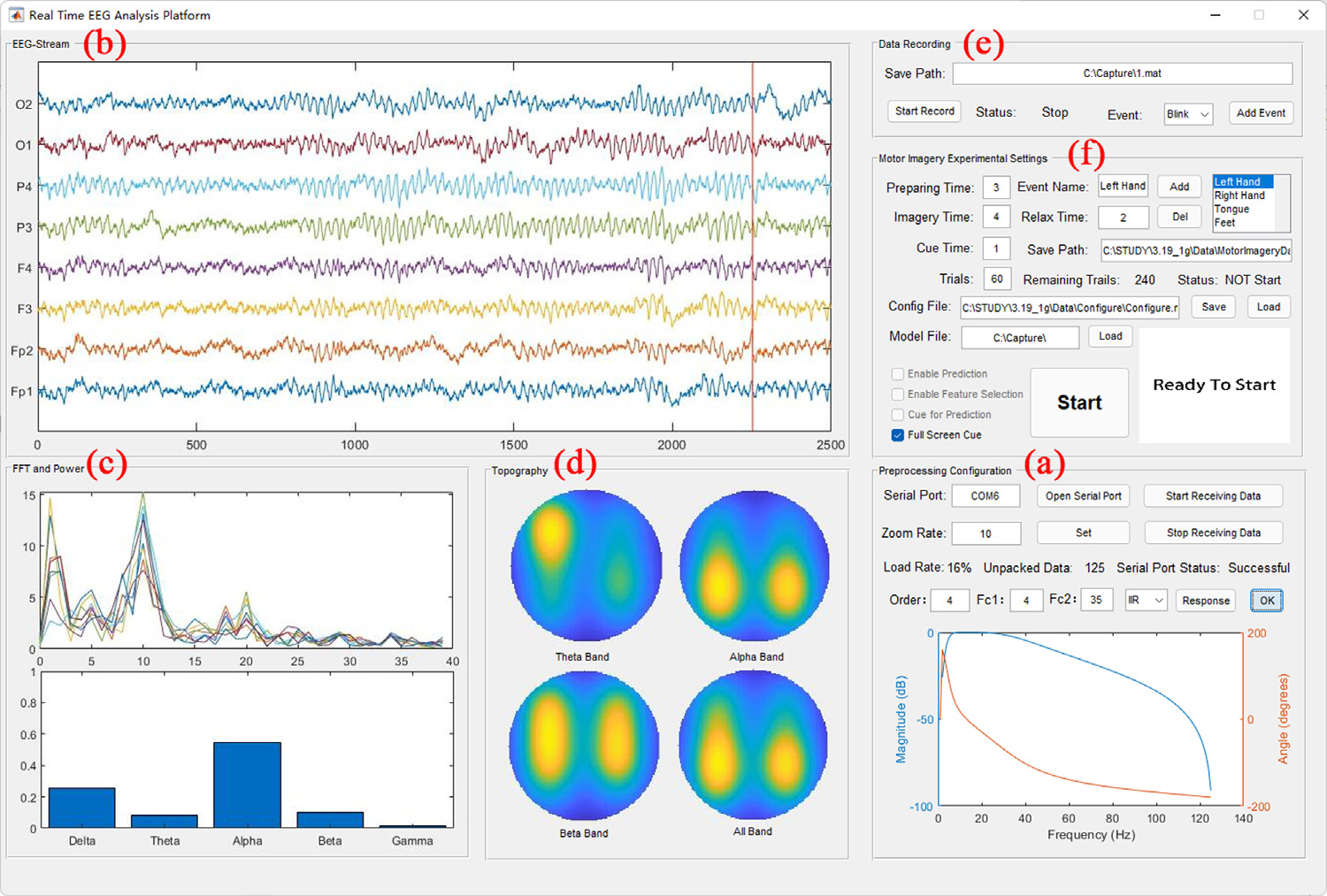
- G. Liu*, J. Hsiao, W. Zhou, L. Tian, "MartMi-BCI: A Matlab-based Real-Time Motor Imagery Brain-Computer Interface Platform," SoftwareX, vol. 22, p. 101371, 2023. (* corresponding author) [GitHub] [pdf]
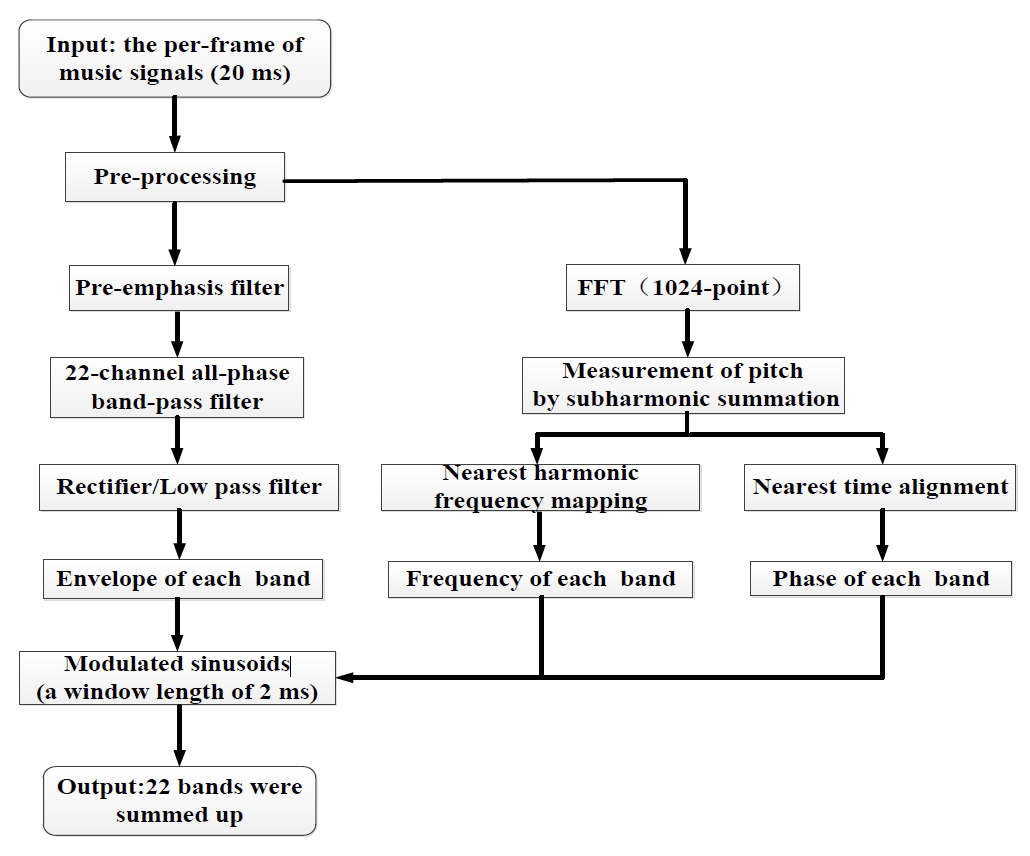
- Q. Meng#, G. Liu#, L. Tian, M. Zeng, X. Lu, and J. Yan, "An Improved Vocoder Algorithm Based on Music Harmonics and Time Sampling," Applied Acoustics, vol. 205, p. 109288, 2023. (# co-first author) [pdf]
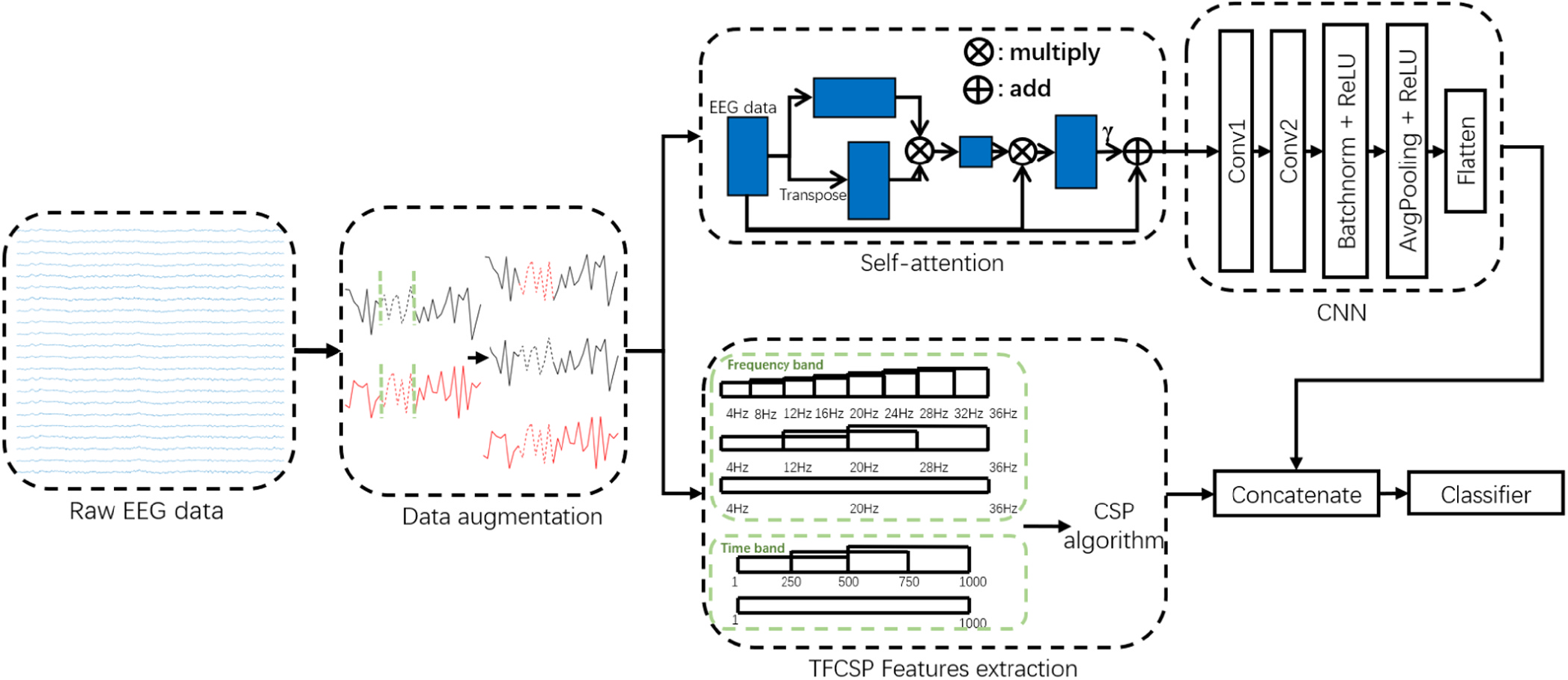
- R. Zhang, G. Liu, Y. Wen, and W. Zhou, "Self-attention-based Convolutional Neural Network AND Time-frequency Common Spatial Pattern for enhanced Motor Imagery Classification," Journal of Neuroscience Methods, p. 109953, 2023. [pdf]
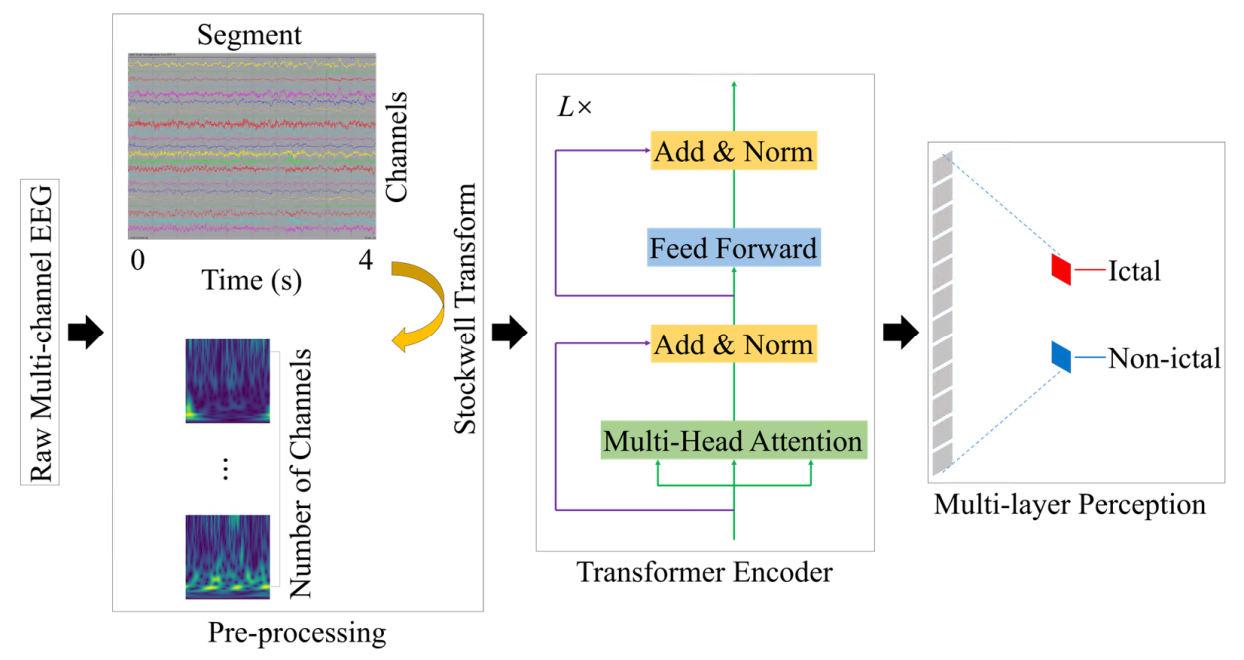
- X. Zhong, G. Liu, X. Dong, C. Li, H. Li, H. Cui, and W. Zhou, "Automatic Seizure Detection Based on Stockwell Transform and Transformer," Sensors, 2023. [pdf]
- M. Geng, W. Zhou, G. Liu, C. Li, and Y. Zhang, "Epileptic seizure detection based on stockwell transform and bidirectional long short-term memory," IEEE Transactions on Neural Systems and Rehabilitation Engineering, vol. 28, no. 3, pp. 573-580, 2020. [pdf]
- C. Li, W. Zhou, G. Liu, Y. Zhang, M. Geng, Z. Liu, S. Wang, and W. Shang, "Seizure Onset Detection Using Empirical Mode Decomposition and Common Spatial Pattern," IEEE Transactions on Neural Systems and Rehabilitation Engineering, vol. 29, pp. 458-467, 2021. [pdf]
- G. Liu, J. Zhang, A. Chan, J. Hsiao, "Human Attention-Guided Explainable AI for Object Detection," The 45st Annual Conference of the Cognitive Science Society (CogSci 2023). (CCF-B, Core-A, EI indexed) [pdf]
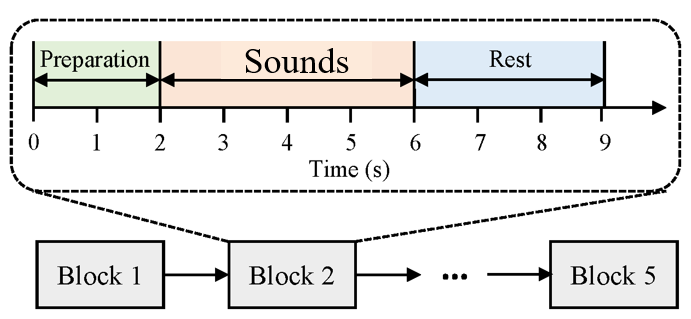
- G. Liu, D. Zhang, L. Tian and W. Zhou, "EEG-Based Familiar and Unfamiliar Face Classification Using Differential Entropy Feature," 2021 IEEE 2nd International Conference on Human-Machine Systems (ICHMS), 2021, pp. 1-3. (EI indexed) [pdf]

- A. Yang, G. Liu, Y. Chen, R. Qi, J. Zhang, J. Hsiao, "Humans vs. AI in Detecting Vehicles and Humans in Driving Scenarios," The 45st Annual Conference of the Cognitive Science Society (CogSci 2023). (CCF-B, Core-A, EI indexed) [pdf]
- J. Zhang, G. Liu, Y. Chen, A. Chan, J. Hsiao, "Demystify Deep-learning AI for Object Detection using Human Attention Data," The 46st Annual Conference of the Cognitive Science Society (CogSci 2024). (CCF-B, Core-A, EI indexed) [pdf]
- R. Qi, G. Liu, J. Zhang, J. Hsiao, "Do Saliency-Based Explainable AI Methods Help Us Understand AI’s Decisions? The Case of Object Detection AI," The 46st Annual Conference of the Cognitive Science Society (CogSci 2024). (CCF-B, Core-A, EI indexed) [pdf]
- R. Zhang#, G. Liu#, M. Su, N. Zhang, C. Chen, D. Lv, F. Peng, and W. Zhou, "Motor Imagery EEG Classification with Self-attention-based Convolutional Neural Network," International Conference on Intelligent Informatics and Biomedical Sciences (ICIIBMS), 2022. (# Co-first author) (EI indexed) [pdf]
- G. Liu, Q. Meng, JH. Hsiao, L. Tian, "EEG-based pitch perception analysis using EEGNet," Oral presentation at 2023 China Biomedical Engineering Conference (2023中国生物医学工程大会), May 20-21, 2023 in Suzhou, China.
- G. Liu, J. Zhang, A. Chan, J. Hsiao, "Human Attention-Guided Explainable Artificial Intelligence for Computer Vision Models," Oral presentation at The International Conference of Human Performance Modelling and Augmentation 2023 (HPMA 2023) – The 2nd Human Factors Engineering and Hybrid Intelligence Conference (2023人因建模与增强国际会议-暨第二届人因工程与混合智能创新大会), Aug. 26-27, in Beijing, China.
- G. Liu, Q. Meng, L. Tian, "一种基于深度学习的跨被试被动式音高感知EEG自动分类方法," Oral presentation at The Interdiciplinary Technologies for Auditory Prostheses 2023 (iTAP 2023) (2023 人工听觉技术跨界研讨会), Oct. 13-15, in Nanjing, China.
- G. Liu, L. Tian, W. Zhou"Cosine Convolutional Neural Network and Its Application for Seizure Detection," Oral presentation at 2024 International Conference on Brain-On-A-Chip (2024片上脑机接口国际会议), April. 19-21, in Tianjin, China.
- Y. Zhao, G. Liu*, "Epileptic EEG Classification Using Time-Frequency Representation and Deep Neural Network," presented at IEEE Engineering in Medicine and Biology Society (IEEE EMBC 2023), July 24-26, 2023 in Sydney. (Poster abstract paper) (* corresponding author)
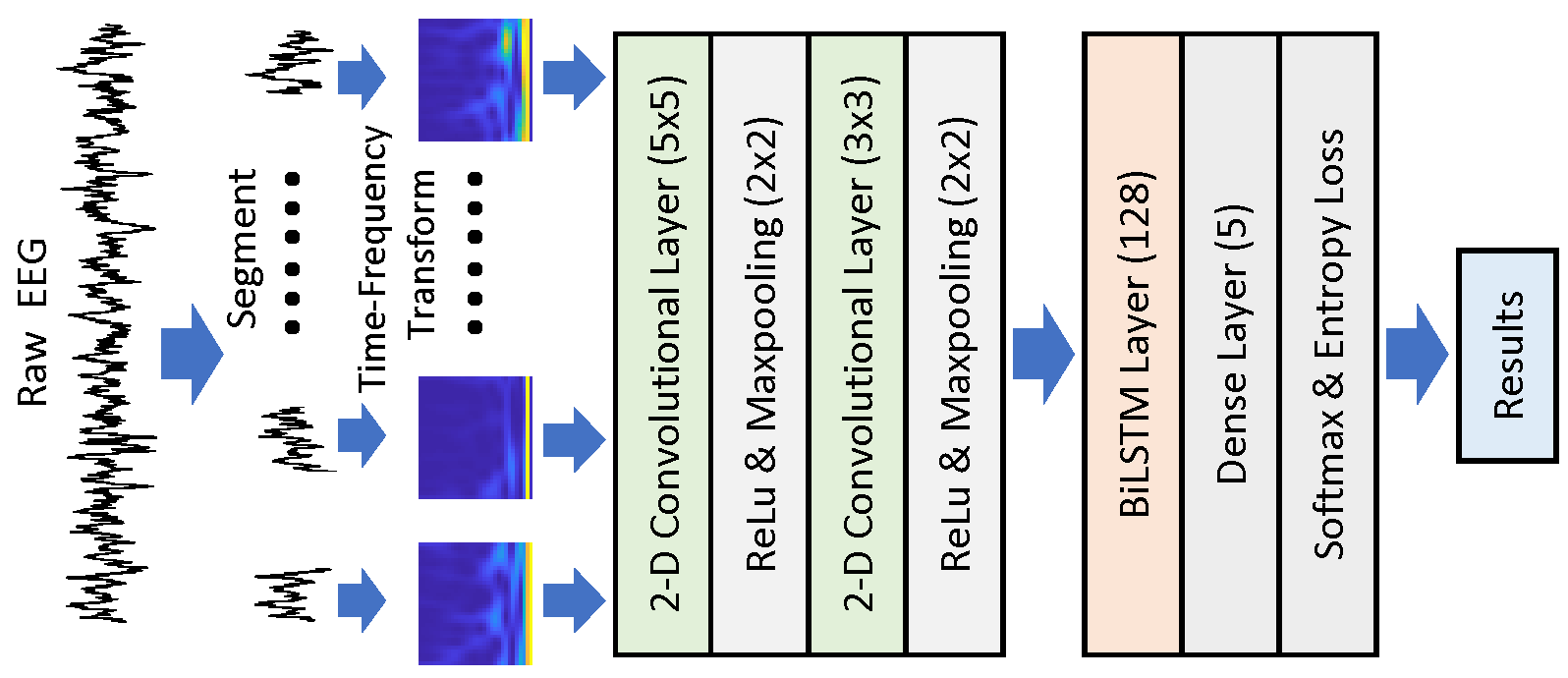
- Y. Zhao, G. Liu*, "Comparison of time-frequency representations for deep learning-based epileptic EEG classification," Nanosymposium presentation at Neuroscience 2023 (SfN 2023), Nov. 11-15, in Washington, DC. (Abstract) (* corresponding author)
Competitions
International Competitions- G. Liu (Team Leader). Supervisors: Prof. Weidong Zhou and Prof. Lan Tian.
Second Prize in 2020 World Robot Contest – BCI Controlled Robot Contest Finals
Won 2nd place in both A-list and B-list competitions and was one of the 14 finalists (including teams from HKUST, HKU, UM, THU, TJU, HUST, WYU, ECUST, SHU, NWPU, CAS, BUPT, Tencent).
Databases
EEG databases- SH-SDU Epileptic EEG Database.
- Collectors: Guoyang Liu; Zhen Liu; Shang Wang; Wei Shang; Minxing Geng; Weidong Zhou*.
- Affiliation: The Shandong University & The Second Hospital of Shandong University.
- Descriptions: In the SH-SDU database, a total of 191 seizures from 10 patients were visually inspected and labeled by experienced experts from 177.34-h EEG recordings. Eighteen unipolar channels with referential electrode G (located between Fz and Cz), were recorded for each patient. More detailed paradigm can refer to our Journal Paper.
- This database is currently NOT publicly available. However, you can contact us if you are interested in it.
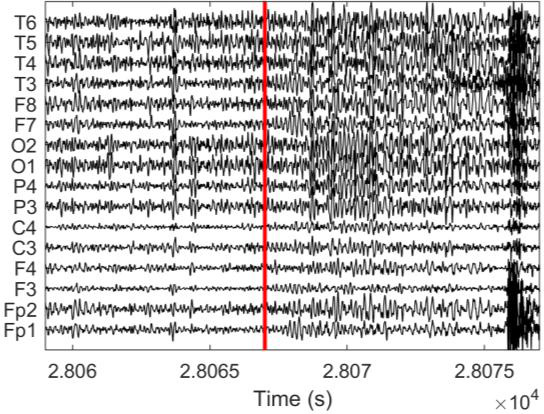
- SDU Familiar/Unfamiliar Face Recognition EEG Database.
- Collectors: Guoyang Liu; Weidong Zhou*.
- Affiliation: The Shandong University.
- Descriptions: 10 healthy volunteers (aged between 18 and 25) were selected to participate in this study. We designed a familar/unfamiliar face recognition EEG paradigm for the study. More detailed paradigm can refer to our Conference Paper.
- This database is currently NOT publicly available. However, you can contact us if you are interested in it. - We also have more EEG databases such as Motor Imagery (Left/Right Hand/Elbow) EEG database (22 participants), and a Iris Recognition database (200 participants). These databases are currently NOT publicly available. However, you can contact us if you are interested in it.
Software
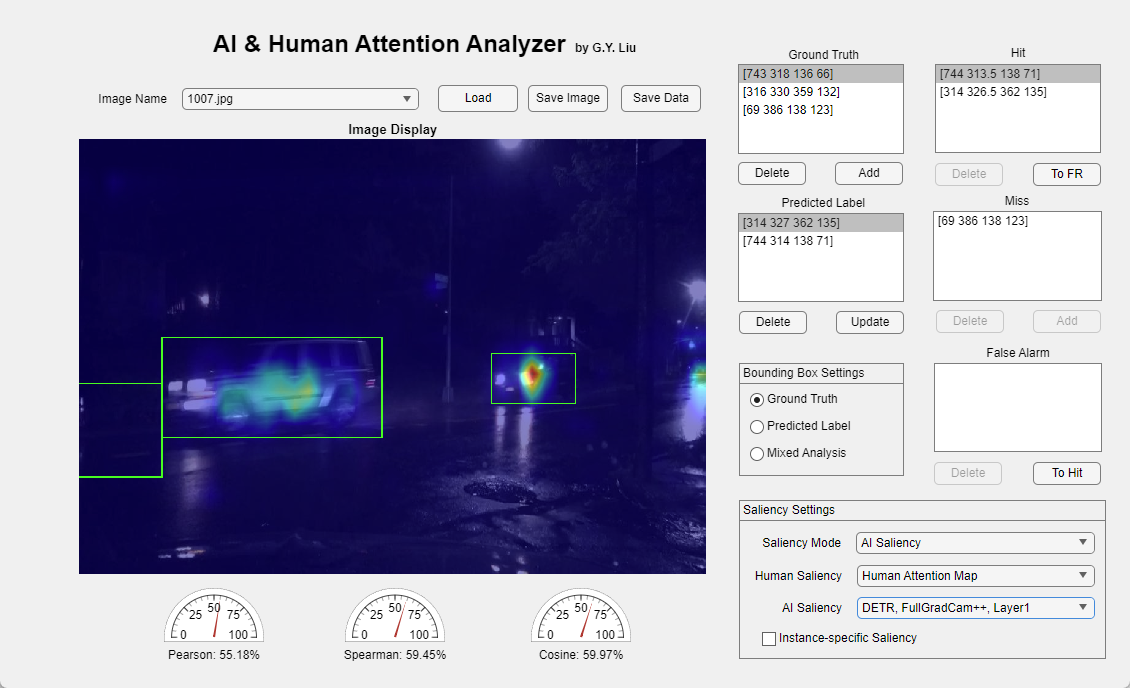
- AI & Human Attention Analyzer (Try It Now!)
Developers: G. Liu, Janet H. Hsiao
- MartMi-BCI - Motor Imagery BCI Platform (GitHub)
Developers: G. Liu, Weidong Zhou, Lan Tian, Janet H. Hsiao
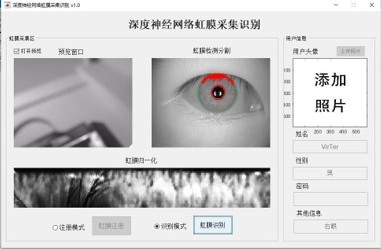
- Siamese Network-based Iris Recognition Software - Register & Manager & Screen Saver
Developers: G. Liu, Weidong Zhou, Lan Tian
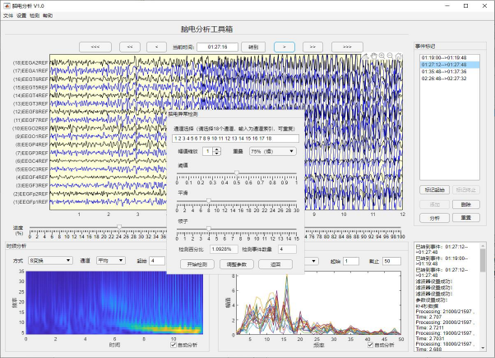
- EEG Analyzer & Automatic Epileptic EEG Detection Tool
Developers: G. Liu, Weidong Zhou